
Highest-Torque Electric Bikes: How Much Torque You Really Need
Highest-Torque Electric Bikes: How Much Torque You Really Need
Watts get the headlines. Torque is what actually gets you up the hill.
Most e-bike shopping starts and ends with wattage, but torque — measured in Newton-meters (Nm) — is the number that actually determines how a bike climbs, accelerates, and handles technical off-road terrain under load. Here's what torque means for real riding, and how HPC's Titan Pro, Trailblazer Pro, and Revolution MX stack up.
Torque vs. Watts: What's the Difference?
Watts measure how much total energy a motor can move. Torque measures how forcefully the motor can put that energy to the ground. A high-wattage motor with modest torque will hit a good top speed on flat ground but can bog down on a steep, technical climb. A high-torque motor delivers strong, controllable power at low wheel speeds — exactly when you need it most: grinding up a loose, steep grade, picking a line through a rock garden, or launching hard off the line.
More torque also means more control off-road. It's not just about raw climbing power — precise, strong torque delivery at low speeds gives a rider finer control over traction in technical sections, where a motor with weak low-end torque would either spin the wheel or stall the assist.
HPC's High-Torque Lineup
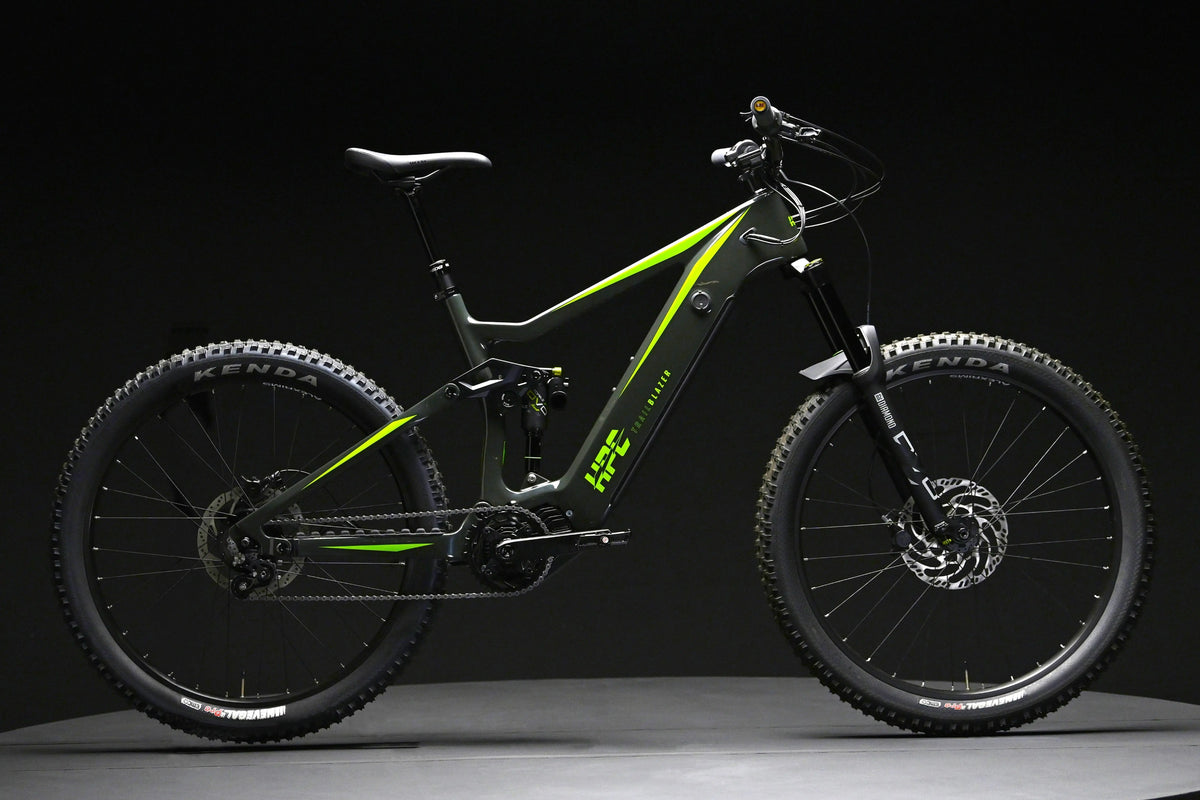
Trailblazer
185 Nm of torque in a 50 lb package.
- Torque: Up to 185 Nm
- Weight: Just 50 lb
- Built for: Technical trail climbing without excess weight
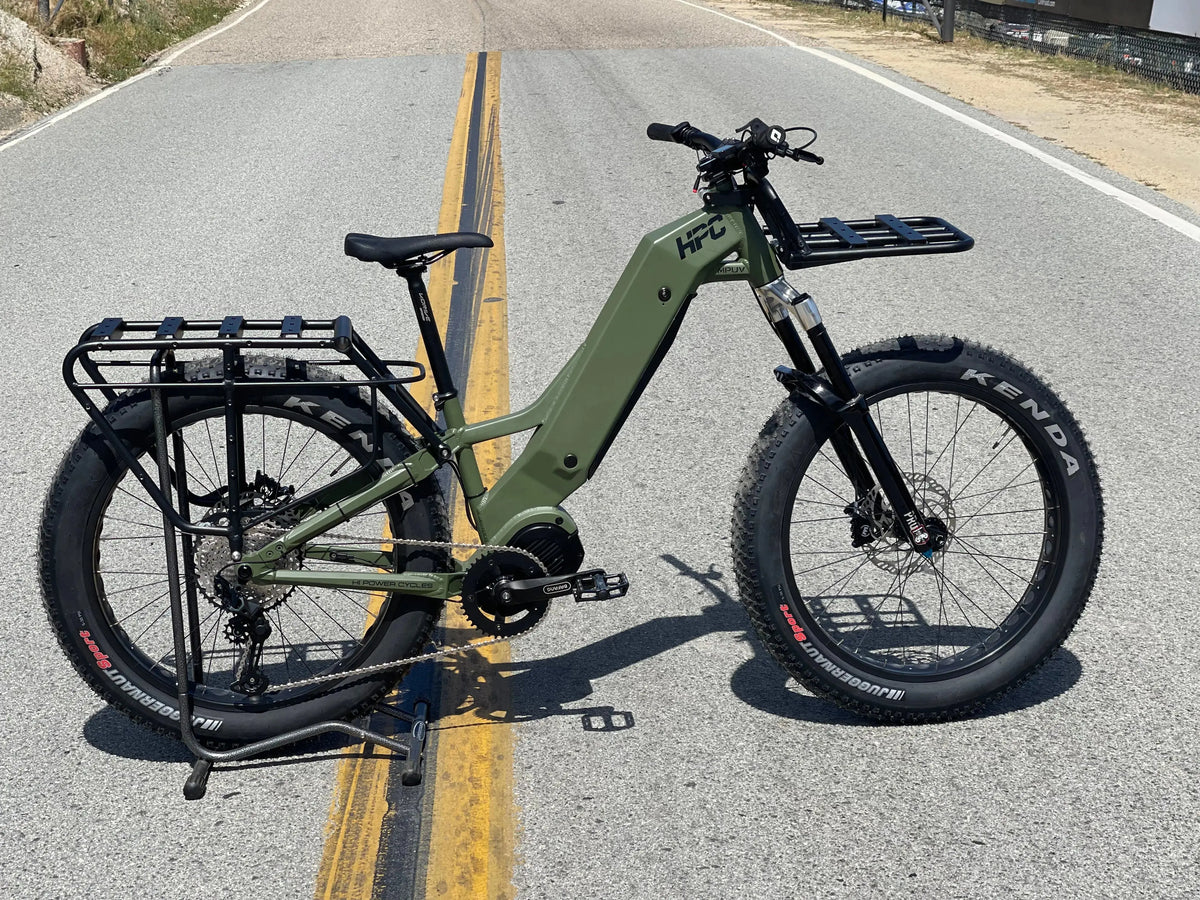
Revolution MX
A whopping 270 Nm — dyno-verified at the wheel.
- Torque: 270 Nm at the wheel (dyno verified)
- Measured: At the wheel, not the crank — after every drivetrain loss
- Built for: Maximum hill-climbing and technical off-road control
HPC's Titan Pro rounds out the high-torque lineup with its torque-sensing Bafang Ultra mid-drive, delivering up to 3,000W through a system tuned specifically to amplify pedaling force and deliver massive climbing torque for loaded backcountry and hunting rides.
Titan Pro
Torque-sensing mid-drive built for loaded climbs.
- Power: Up to 3,000W torque-sensing mid-drive
- Feel: Amplifies rider pedaling force for climbing torque on demand
- Built for: Steep, loaded backcountry and hunting terrain
| Model | Torque | Weight / Notes |
|---|---|---|
| Trailblazer | Up to 185 Nm | Just 50 lb |
| Revolution MX | 270 Nm at the wheel (dyno verified) | Highest torque in the HPC lineup |
| Titan Pro | Torque-sensing, up to 3,000W | Amplifies pedaling force for climbing |
Why Revolution MX's 270 Nm Number Is Different
Most e-bike torque figures you'll see published are measured at the motor crank, before the drivetrain ever touches it — a number that's easy to inflate and disconnected from how the bike actually rides. HPC measures the Revolution MX at the wheel, on a dynamometer, the same standard the automotive and motorcycle industries use. That means the 270 Nm figure already accounts for every drivetrain loss between the motor and the ground — it's the torque that's actually available when you twist the throttle or push into the pedals.
Why More Torque Means Better Off-Road Control
On loose, steep, or technical terrain, torque delivery — not top speed — is what determines whether a bike climbs confidently or struggles. High torque at low wheel speed lets a rider modulate power precisely through rock gardens and switchbacks, power through deep sand or snow without stalling, and carry a loaded rack or cargo up a grade that would stop a lower-torque bike cold. That's true whether the number comes from a dedicated 270 Nm platform like the Revolution MX or a lightweight, high-torque-per-pound build like the 50 lb Trailblazer.
Matching Torque to Your Riding Style
Not every rider needs 270 Nm. The right amount of torque depends on terrain and load. Riders who spend most of their time on flowing trails and fire roads with occasional climbs often find the Trailblazer's 185 Nm — delivered from a lightweight 50 lb platform — is plenty for confident, controllable climbing without adding unnecessary weight to the bike. Riders tackling steep, technical, loaded terrain — hauling gear, riding two-up, or pushing into serious backcountry grades — are the ones who benefit most from the Revolution MX's 270 Nm ceiling or the Titan Pro's torque-sensing mid-drive built specifically to amplify climbing force under load.
The common thread across HPC's lineup is that torque is treated as a real engineering spec, not a marketing number. Whether it's a lightweight mid-drive tuned for torque-per-pound efficiency or a dyno-verified wheel-torque flagship, every HPC build is designed around delivering usable, controllable power exactly where a rider needs it.
Why Buy From HPC?
Assembled in Our USA Warehouse
Every HPC bike is assembled in Simi Valley, California, with a one-man-one-bike build process.
In-House Battery Systems
High-torque motors demand sustained current — our in-house battery packs are built to deliver it without sagging.
3-Year Warranty
Every HPC bike ships with a genuine 3-year warranty and US-based support.
Which HPC bike has the most torque?
The Revolution MX leads the lineup with 270 Nm of torque measured at the wheel — dyno-verified, not a crank estimate.
How much torque does the Trailblazer have?
The Trailblazer delivers up to 185 Nm of torque while weighing just 50 lb, making it one of the highest torque-to-weight builds in its class.
Why does torque matter more than watts for off-road riding?
Torque determines how a bike climbs and handles technical terrain at low speed. More torque means better control off-road — precise power delivery through rock gardens, sand, and steep grades where raw top-end wattage doesn't help.
Feel 270 Nm for Yourself
Dyno-verified torque, measured at the wheel — the Revolution MX is HPC's highest-torque build.
Explore the Revolution MX →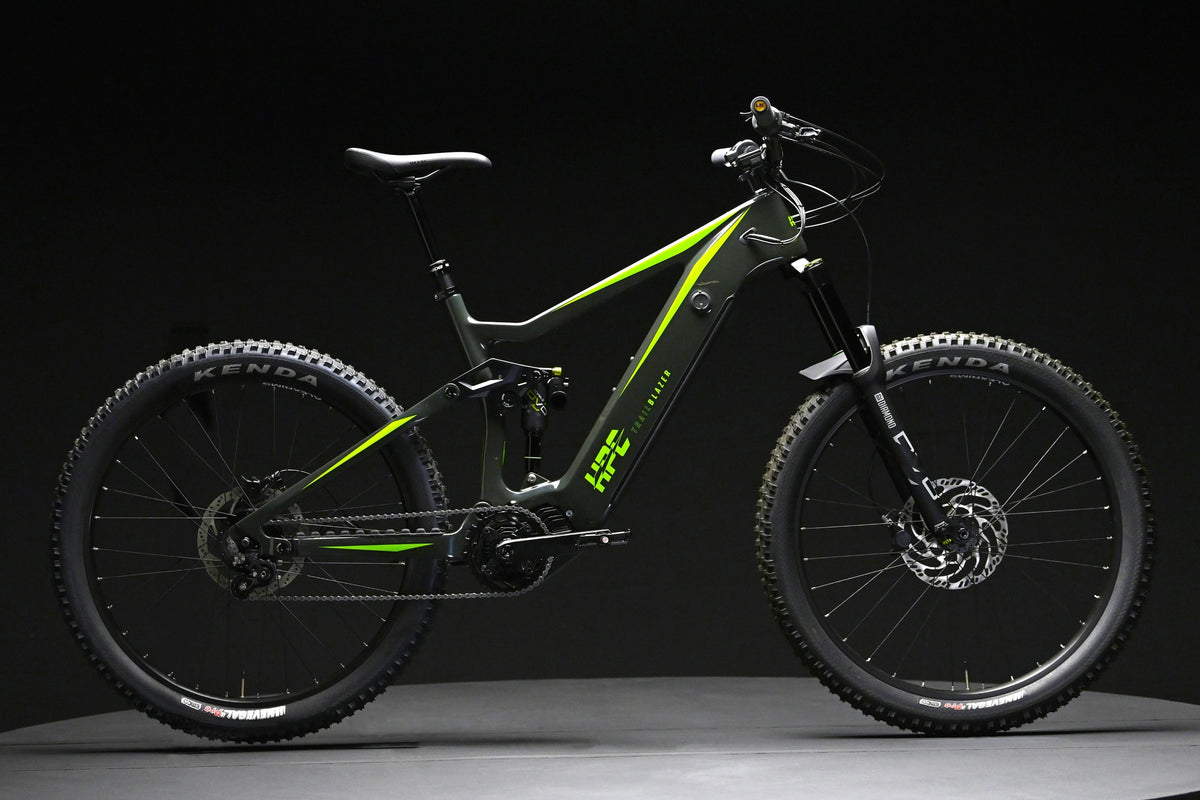
Comments