
EXT Vaia Inverted Fork: Downhill Suspension Setup for HPC Builds
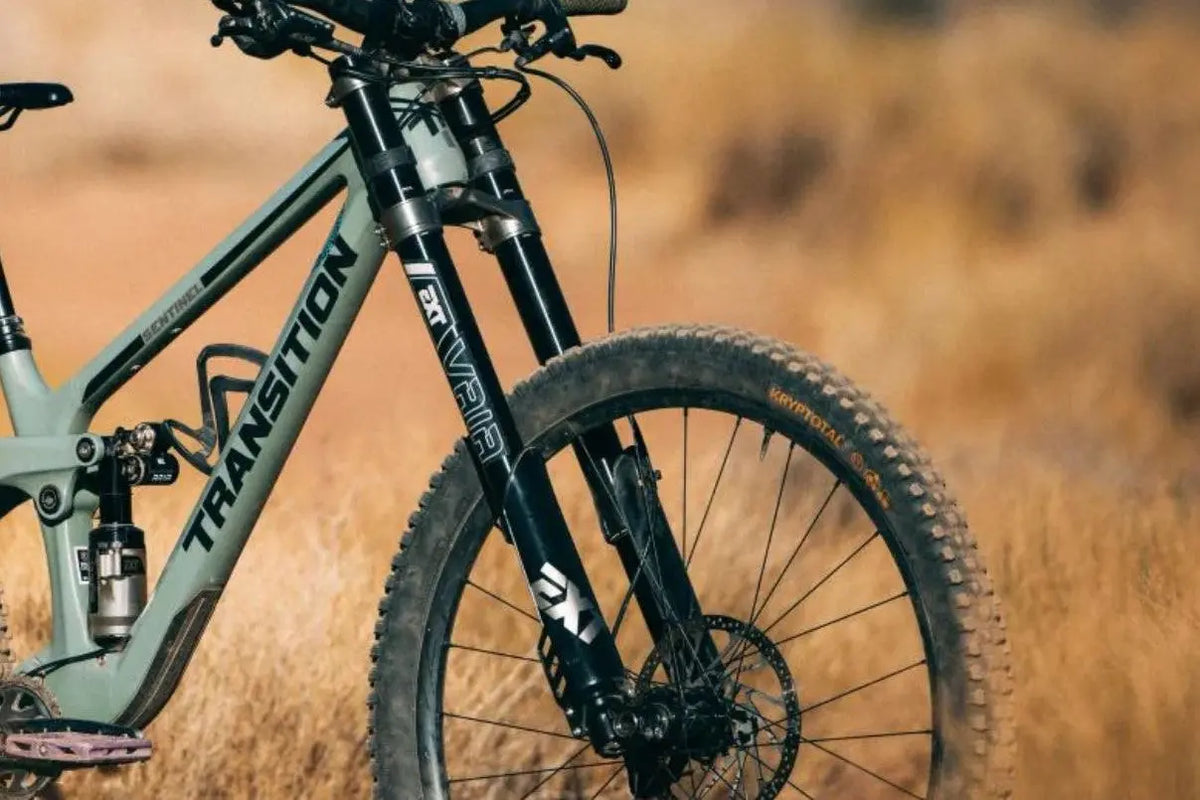
An inverted fork on a heavy bike
The EXT Vaia Inverted Downhill Fork is a 170mm to 200mm travel fork with a chassis layout that is uncommon in mountain biking and near-universal in motocross. That difference is worth understanding, because it is the whole argument for the fork.
What inverted means, and why it matters here
A conventional fork has stanchions at the top and lowers at the bottom. An inverted fork flips that: the larger-diameter tubes are at the crown, the smaller sliders reach down to the axle.
Three consequences follow.
Stiffness where the loads are. Bending forces are highest at the crown. Putting the largest tubes there is simply better engineering for resisting them. On a light cross-country bike this is over-provision. On an e-bike carrying a heavy motor and battery, braking hard into a rough section, it is exactly what the fork needs.
Lower unsprung mass. The heavy parts sit higher up, closer to the frame. Less mass at the axle means the wheel can respond to the ground faster, which translates directly to traction on repeated hits.
Constant lubrication. Oil pools at the bottom of the tubes, which on an inverted design is where the bushings and seals are. They stay bathed rather than relying on splash. Practically, this means smoother action off the top and less stiction.
The historical objection to inverted forks was torsional flex. Modern axle and chassis design has largely resolved it, which is why the layout has returned to serious downhill use.
Why this suits high-power e-bikes specifically
A high-power e-bike asks more of a fork than a pedal bike does. It is heavier — often 70 lbs or more before the rider. It reaches speed faster and carries more of it into rough ground. Braking forces are correspondingly higher.
A fork designed for a 30 lb bike and a 170 lb rider is being asked to do something else entirely. Chassis stiffness stops being a refinement and becomes the thing that determines whether the front end goes where you point it.
Travel: 170mm or 200mm
The Vaia covers a 170mm to 200mm range, and the right figure depends on the bike and the riding.
170mm suits enduro and aggressive trail use. It keeps the front end lower, preserving a steeper head angle and more manageable geometry for climbing and tighter terrain.
200mm is full downhill. Maximum capability on steep, sustained, rough descents. It raises the front end, slackening the head angle — which is what you want pointing downhill and less useful elsewhere.
The middle settings are where most riders on a do-everything high-power bike end up.
The key point: changing travel changes your geometry. More travel slackens the head angle, raises the bottom bracket and lengthens the wheelbase. Those are real handling changes, not just a number. Get fitment confirmed for your specific frame before ordering — send us your model and we will check.
Setting it up
Order matters. Work through these in sequence and re-check after each change.
1. Spring rate or air pressure first. Everything else depends on this. Start from the manufacturer's recommendation for your total weight — rider, gear, and remember the bike itself is much heavier than a pedal bike.
2. Sag. Roughly 15–20% of travel for downhill use. Sit on the bike in riding position, in your riding kit, and measure. Too little and the fork cannot extend into holes; too much and you sit deep in the travel with nothing left.
3. Rebound. Start slow and speed it up until the fork returns quickly without pushing back at you. Too slow and the fork packs down through repeated hits, getting progressively harsher. Too fast and it bucks.
4. Compression last. Low-speed compression controls support under braking and in corners. High-speed handles square impacts. Adjust one at a time, a click at a time, and ride the same section between changes.
The most common mistake is running too much compression damping to compensate for insufficient spring rate. If the fork dives under braking, the answer is usually a stiffer spring, not more compression.
Maintenance
The lubrication advantage is real but not a substitute for service. On a heavy bike ridden hard, lower-leg service every 50 hours and a full damper service annually is sensible. E-bike use accelerates seal wear — assume shorter intervals than the pedal-bike figures.
Wipe the sliders after every muddy ride. Thirty seconds of care meaningfully extends seal life.
Is it the right fork for you?
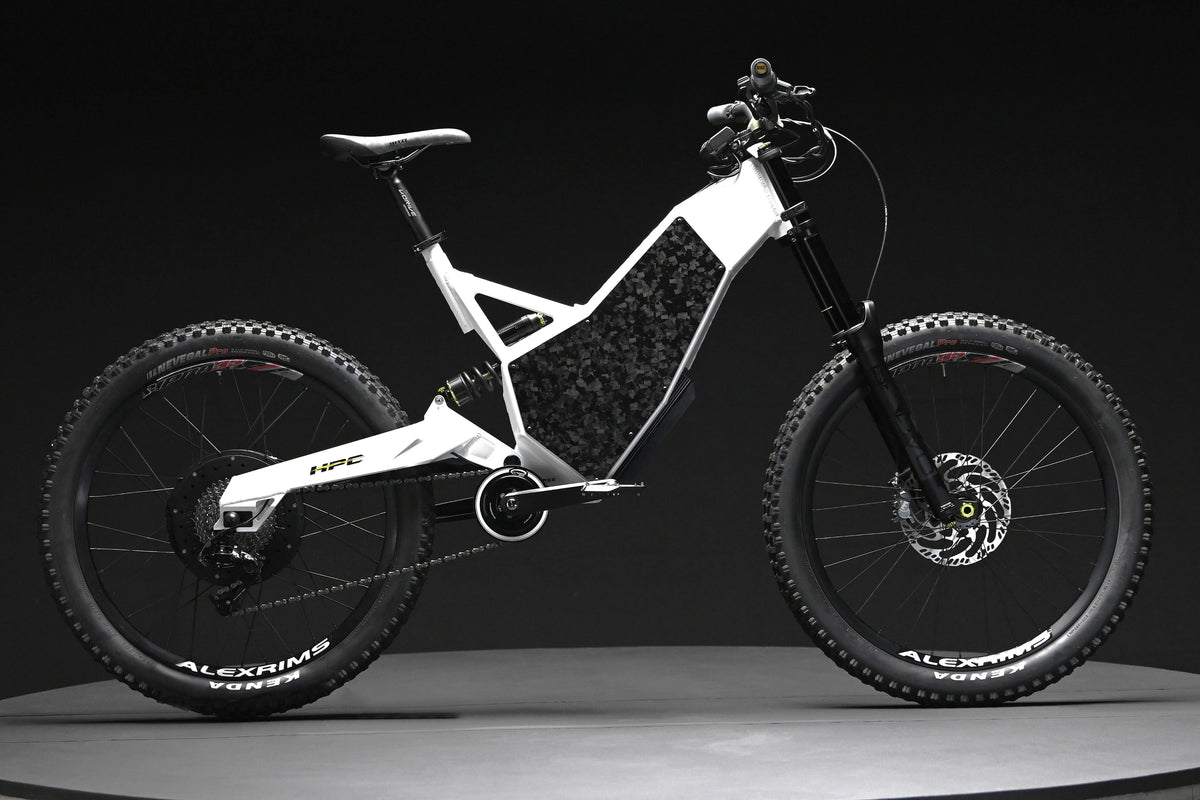
The Vaia is a premium component and we will not pretend otherwise. It earns its place on a heavy, fast bike ridden hard on demanding terrain — which is exactly what a Revolution X is.
If you ride moderate trails at moderate speed, a good conventional fork will serve you well and cost considerably less. The Vaia's advantages appear under load; if you rarely reach that load, you will not feel them.
Our high-end suspension guide covers the wider picture on forks and coil shocks.
Comments