
Nucular P24F Controller: Full Specs, Wiring & Which HPC Builds Use It
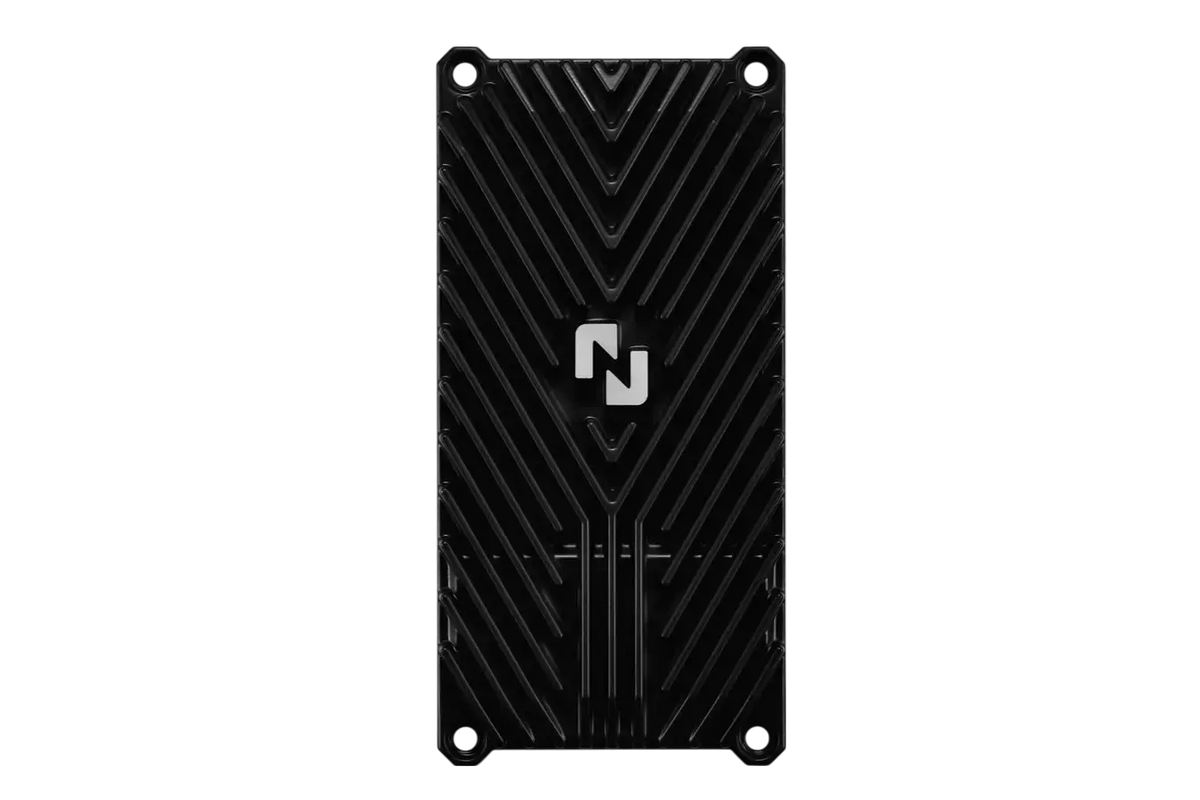
The controller is the part that decides what your bike actually does
Riders shop motors and batteries. The controller is what turns stored energy into usable power, and it is usually the component that limits a build long before the motor does. Swap a stock controller for a properly engineered one and the same motor and the same pack will deliver noticeably more.
The Nucular P24F is the controller we reach for on high-power builds. We have tested a great deal of what is on the market, and this is the one we keep coming back to for fit, finish, tuneability and sheer capability. This is the reference page for what it is and how it goes into a bike.
P24F specifications
- Battery voltage range: 48V to 78V
- Maximum power: 27kW
- Control type: Intelligent FOC (Field Oriented Control)
- Price: $730
What FOC actually buys you
Field Oriented Control is the reason a good controller feels different rather than just stronger. A basic trapezoidal controller energises motor phases in blocky steps. FOC continuously calculates the optimal current vector and applies it, keeping the magnetic field aligned for maximum torque per amp.
In practice that means quieter operation, meaningfully better efficiency (so more range from the same pack), smoother torque delivery from a standstill, and less waste heat. On a high-power build the thermal benefit compounds: a cooler controller holds its power instead of throttling back.
Field weakening
The P24F supports field weakening, which lets the motor spin past its nominal voltage-limited speed by deliberately opposing part of the rotor's magnetic field. It trades torque for RPM at the top end. This is how a build gains top speed without a higher-voltage pack — though it is not free, and it is one of the settings worth having dialled in properly rather than guessed at.
Wiring it into a build
A P24F installation comes down to five connection groups:
- Battery leads. High-current positive and negative. This is the connection that must be right — correct gauge, correct connectors, and a precharge path so the capacitors do not arc on connection.
- Three motor phases. Phase order sets direction and is straightforward to correct if the motor spins the wrong way.
- Hall sensors. Rotor position feedback. The P24F can run sensorless, but hall feedback gives far better low-speed behaviour and start-up torque.
- Throttle and brake cutoffs. Rider inputs, plus the safety interlock that kills power when you grab a brake lever.
- CAN bus. This is where the Nucular ecosystem differs from a generic controller. The display and configuration tools talk to the controller over CAN rather than a proprietary cable.
You need one of two things to program it: the Nucular On-Board Computer 2.0 display, which doubles as your ride display and your tuning interface, or the Nucular Bluetooth module, which lets you configure from an Android or iOS app. The Bluetooth module is the cheaper route if you do not need a bar-mounted display; there is a variant that adds a CAN wire if you want to run both.
The newer X6F: same family, different job
The Nucular X6F is the newest controller in the range and it is worth knowing about, because for a lot of builds it is the more sensible choice.
It fits in the palm of your hand — 55 x 34 x 77 mm, 8 ounces, roughly the footprint of a credit card — and still delivers 15kW maximum power, 250A max phase current, 170A max battery current, and up to 90V (21s) pack voltage. At $400 it is considerably less than the P24F.
The build quality is the interesting part: an 8-layer low-inductance board, polymer solid electrolyte low-ESR capacitors, custom top-side cooling MOSFETs, and a hard-anodized aluminium case that acts as the heatsink, with a removable colour heatsink on top.
Like the P24F, it needs either the Nucular display or the Bluetooth module for programming.
Which one for your build
Choose the P24F when you need the full 27kW ceiling, or when you are building around a large-format motor that can actually use it. Choose the X6F when 15kW is more power than you will realistically deploy, when space or weight is tight, when you want a higher pack-voltage ceiling (90V vs 78V), or when the $330 difference matters more than headroom you will not touch.
Honestly, 15kW is a very large amount of power for most e-bike builds. The X6F is the right answer more often than its size suggests.
Where these controllers show up
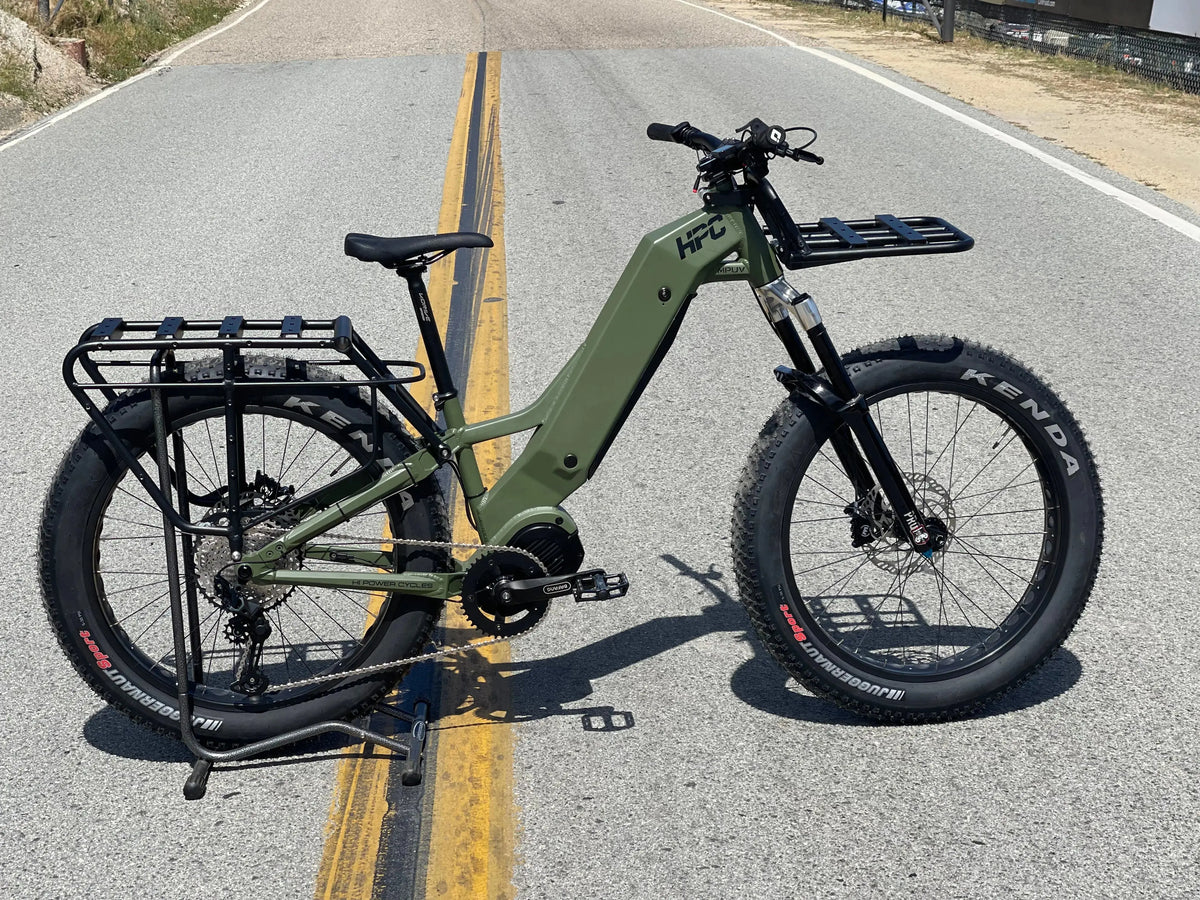
The P24F is the controller behind our high-power Revolution builds and is also sold as model-specific Plug and Ride upgrade kits for a range of light electric motorcycles — Sur-Ron, Talaria, Apollo RFN, Arctic Leopard and E-Ride Pro SS. Those kits wire into the factory harness in place of the stock controller, so you get the power without rebuilding the bike's wiring.
You can see the full range on our Nucular electronics collection.
Getting it dialled in
A controller like this rewards setup. The defaults are safe and conservative; the gains come from matching current limits to your motor's thermal reality, tuning field weakening to your gearing, and setting regen to taste. If you are not confident doing that, talk to us before you start turning numbers up — it is much easier to set a build up correctly than to replace a cooked motor.
For broader background on how controller specs translate into ride feel, see our guide to e-bike controllers, 48V vs 72V, amps and FOC.

Comments