The Trailblazer Belt Drive: Silent, Clean, Unstoppable
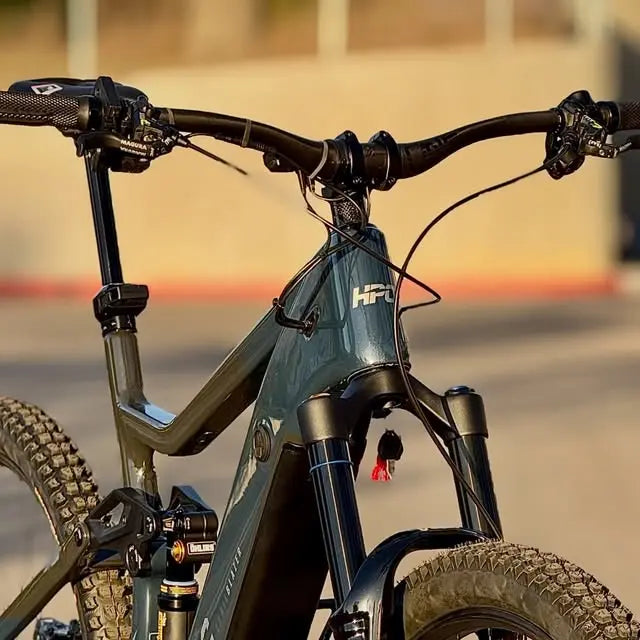
Ultra silent, cleaner, way lower maintenance, and longer lasting — the Trailblazer belt drive is quickly becoming the feature riders ask us about most. If you’ve spent years listening to a chain slap through rock gardens and scrubbing grease off your calves, the belt-drive setup on the HPC Trailblazer is going to feel like a completely different sport.
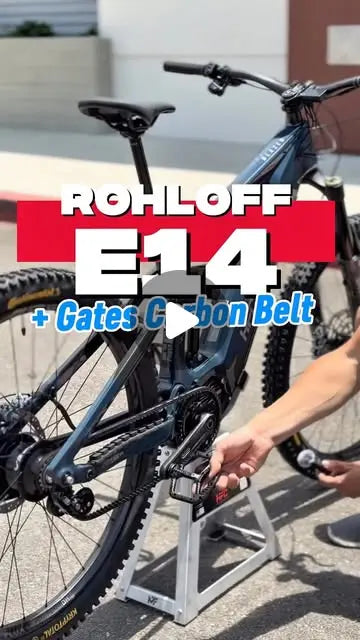
We put it front and center in a quick shop clip: the Trailblazer up on a stand, and one of our crew slowly spinning the cranks by hand so you can watch the belt and rear hub turn. No rattle, no clatter — the screen literally just reads “Totally silent.” That’s the whole point of this build, so let’s break down why going belt drive on the Trailblazer is such a game changer.
What makes the Trailblazer belt drive different
Most electric bikes still rely on a chain and derailleur — parts that stretch, rust, collect mud, and need constant attention. The Trailblazer instead pairs a Gates carbon belt with a Rohloff E14 internally geared hub. The result is a drivetrain that’s sealed, quiet, and remarkably tough. Here’s what that means on the trail:
- Ultra silent: No chain slap, no rattle — just the hum of your tires and the motor. Wildlife (and hikers) barely hear you coming.
- Cleaner: No chain lube, no greasy pant legs, no black smear on your hands after a ride.
- Way lower maintenance: The Rohloff hub keeps its gearing sealed inside, and the carbon belt shrugs off dirt and water that would grind down a chain.
- Longer lasting: A quality carbon belt can outlast several chains, and the Rohloff is legendary for racking up tens of thousands of miles.
See it (and hear the silence) for yourself
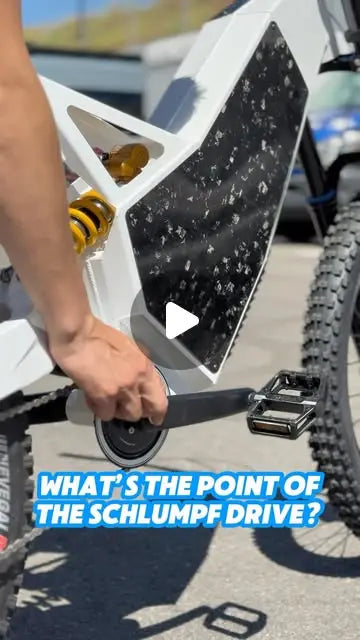
The clip keeps it simple on purpose: no trail footage, just tight close-ups of the drive side — the Gates belt running clean along the carbon chainstay, the Rohloff E14 hub at the rear wheel, and a hand turning the cranks to prove how smooth and quiet it all is. It’s the kind of thing that’s hard to appreciate until you’re standing next to it. And Trailblazer owners back up the reliability: one rider in the comments shared that they have over 2,500 trouble-free miles on their Trailblazer — exactly the kind of low-drama ownership these bikes are built for.
Who the belt drive is really for
Here’s our honest take: we don’t recommend the belt drive for extreme, hard-charging riding. It shines for the all-around rider who wants to do a bit of everything — quiet neighborhood cruising, trail days, commuting, and mixed-terrain adventures — with the least possible maintenance. If that’s you, the belt-drive Trailblazer is hard to beat. If you’re chasing the most aggressive enduro and downhill abuse, talk to us first and we’ll point you toward the right drivetrain for how you ride.
Why belt drive and everyday trail riding belong together
For that do-a-little-of-everything rider, ditching the exposed derailleur removes one of the most common failure points and one of the biggest maintenance headaches on a trail bike. You spend less time wrenching and more time riding, with fewer worries about a bent hanger cutting a ride short. Pair that peace of mind with the stopping power of the Magura MT7 Pro brakes and the Trailblazer becomes a bike you can trust to just work, ride after ride.
Smooth, efficient, worry-free riding
The best part is how it all comes together: smooth, efficient, worry-free power delivery every time you throw a leg over. Twist the throttle or lay into the pedals and the belt transfers everything cleanly, with none of the drivetrain drama you’re used to. If you want even more of that handbuilt, full-carbon performance, the Trailblazer Pro takes the same philosophy to the extreme, and you can compare the full range in our electric bikes lineup.
Ready to go belt drive?
If ultra-quiet, ultra-clean, do-more-riding-and-less-wrenching sounds like your kind of setup, the belt-drive Trailblazer was built for you. Explore specs, pricing, and build options on the Trailblazer product page and see why so many riders are making the switch.