
Electric Bike Buying Guide: Motor, Battery, Range & Price Explained
An electric bike buying guide can go two ways: a list of models, or an explanation of what the specs mean so you can judge any model yourself. This one is the second kind. Whether you call it an e-bike, ebike or electric bike, the same four questions decide what you should buy: how the motor is placed, what the battery can do, which class or category the bike falls into, and what you should expect to pay.
Step 1: Choose a motor type
There are two common placements, and the choice shapes how the bike rides.
- Hub motor: Built into a wheel and drives it directly. Hub motors are quiet, simple and work independently of your gears. Direct-drive hubs have almost nothing inside to wear out but are heavier for the torque they make.
- Mid-drive motor: Mounted at the cranks, driving the chain. Because power runs through your gears, a mid-drive multiplies torque the way your legs do, which makes it strong on climbs. The tradeoff is more wear on the chain, cassette and derailleur.
Our post on how e-bike motors work goes deeper. As a rule, riders who want a natural pedaling feel and steep-climb strength lean mid-drive; riders chasing outright speed and simplicity often prefer a hub.
Step 2: Understand the battery
Two numbers describe a battery: voltage (V) and amp-hours (Ah). Multiply them and you get watt-hours (Wh), the fair way to compare capacity. A 48V 15Ah pack holds 720Wh; a 52V 17.5Ah pack holds 910Wh. Watt-hours largely decide range. Voltage does something different: it sets how much speed the system can reach and how efficiently it delivers power, because a higher-voltage system needs less current for the same watts and so runs cooler with less voltage sag.
Range also depends on rider weight, terrain, wind and how much you use the throttle versus pedaling, so treat any range figure as a best case. We explain voltage tiers from 48V to 86V in high-voltage e-bike battery systems.
Step 3: Know the classes
Most US states sort e-bikes into three classes. Class 1 is pedal assist only and assists up to 20 mph. Class 2 allows a throttle, also up to 20 mph. Class 3 is pedal assist up to 28 mph. Each class is capped at 750W in most states. A bike that goes beyond those limits falls outside the e-bike classes and is generally intended for private land and off-road use. Rules differ by state and city, so check your local regulations before you ride. For the basics, see what is an e-bike and how classes work, and for how this applies to fast bikes, street-legal fast e-bikes and classes 1-3.
Step 4: Set a realistic budget
E-bike prices span a huge range, from a few hundred dollars for entry-level bikes to tens of thousands for hand-built performance machines. The price differences usually come from things you cannot see in a product photo: frame design and testing, battery cell quality, brake capacity, suspension and how easy it is to get replacement parts later. A useful test is to ask what the battery cells are, what the brakes are rated for, and whether you can buy a replacement battery or controller in three years. Our best electric bikes of 2026 buyer's guide compares options in the high-performance segment.
Where HPC's USA-built high-power bikes fit
Hi Power Cycles builds high-power e-bikes in the USA, aimed at riders who want more power and torque than a mainstream commuter bike offers. Current prices start at:
- MPUV: from $4,499. A utility e-bike built for load capacity.
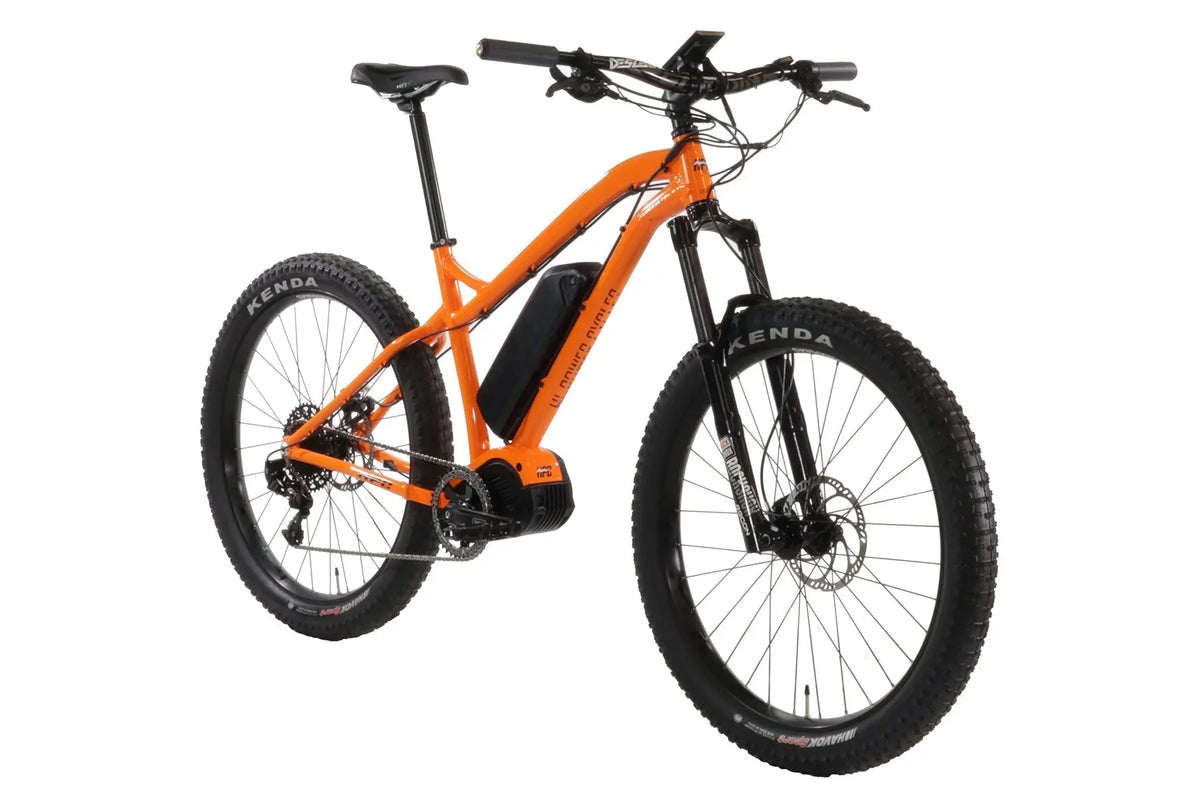
- Scout: from $5,000. A hardtail with a torque-sensing mid-drive and optional throttle in 750W Class 1, 1500W or 2000W builds.
- Titan: from $5,500. A fat-tire hardtail with a mid-drive of up to 2000W.
- Titan Pro: from $5,999.
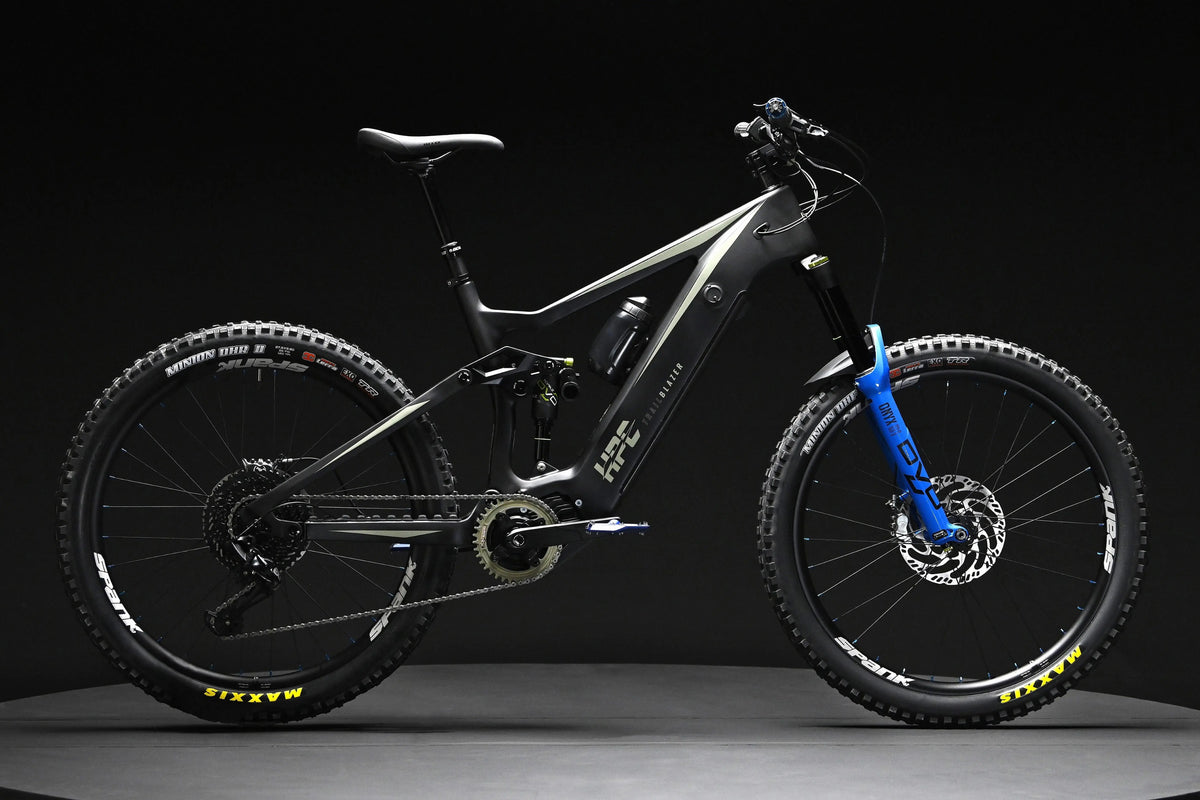
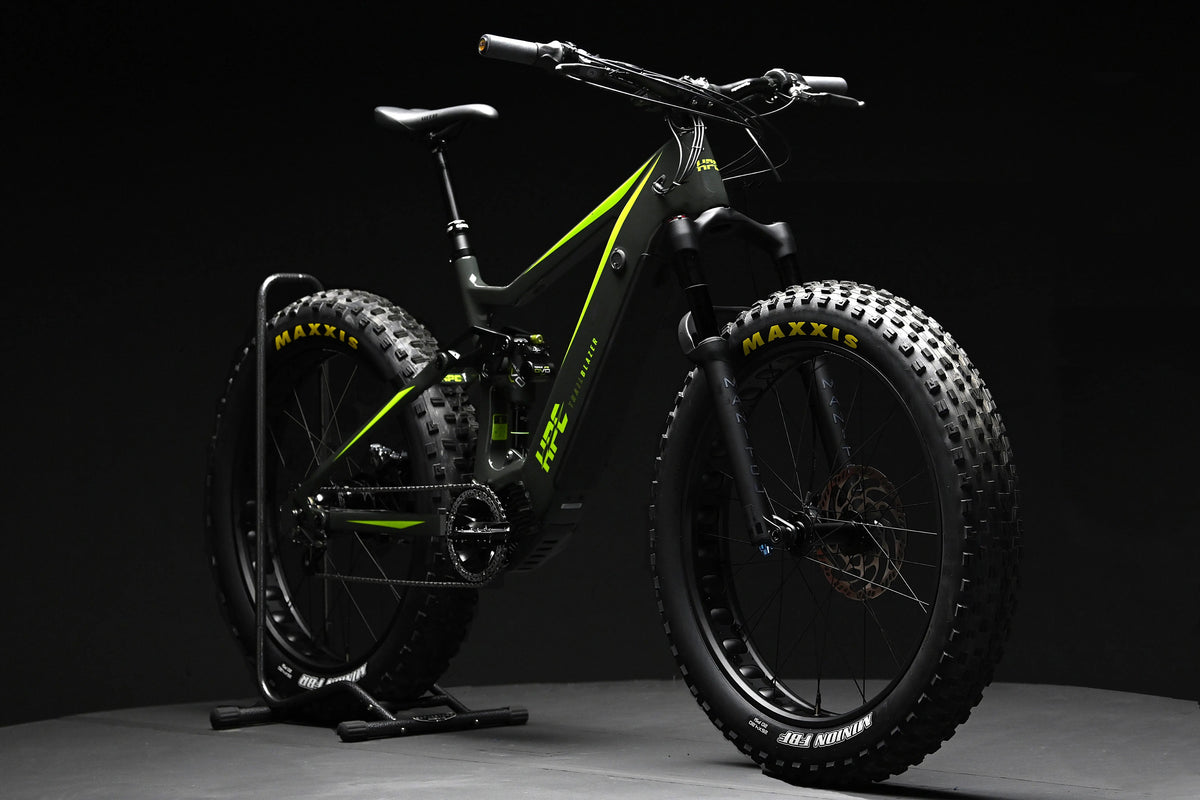
- Trailblazer: from $6,800. A full-carbon full-suspension trail bike in 750W, 1200W and 1600W builds.
- Trailblazer AT: from $7,000, with the Trailblazer AT Pro from $12,000.
- Scout Pro: from $8,000, with a mid-drive of up to 3000W.
- Trailblazer Pro: from $13,000. Builds include 750W Class 1 (20 mph), 1200W (30+ mph) and 2000W (38-40 mph).
- Revolution MX: $10,500, with the Revolution MX Pro at $12,500. Downhill e-MTBs with up to 6,000W and a 50 mph top speed.
- Revolution: from $11,000, with power systems of 5,000W, 6,000W or 10,000W. The Revolution X is $15,000 and the limited Revolution W is $29,995.
Prices and specifications can change, so confirm them on each product page. The mid-drive Scout, Titan and Trailblazer models use torque-sensing pedal assist with a throttle. The Revolution family uses hub motors at much higher power, and is meant for private land and off-road riding.
A quick checklist before you buy
- Decide where you will ride: paths and roads, trails, or private land.
- Pick a motor type to match: mid-drive for climbing and pedal feel, hub for speed and simplicity.
- Compare batteries in watt-hours, not just volts or amp-hours.
- Check brakes, suspension and cell quality against the speeds you expect.
- Confirm parts and service support before you commit.
Next step
If you want a USA-built bike with real power behind it, start by comparing the models above. Browse HPC e-bikes.
Comments